Perched on the southern bank of the Lhasa River, high on Wangbur Mountain at an altitude of 3,800 meters, Ganden Monastery feels less like a single temple and more like a sacred city carved into the mountainside. Located about 57 km from Lhasa, it’s one of the most powerful spiritual landmarks in Tibet—and one of the most rewarding destinations for travelers seeking authentic cultural depth beyond the usual routes.
Founded in 1409, Ganden Monastery is the first monastery of the Gelug (Yellow Hat) school of Tibetan Buddhism and the spiritual heart of the tradition. At its peak, the complex was said to rival the scale of Potala Palace, making it not just a religious site, but a monumental architectural achievement. If you’re looking for meaningful things to do in Tibet, Ganden offers history, spirituality, dramatic landscapes, and a powerful sense of timelessness—far removed from commercial tourism.
The Spiritual Birthplace of the Gelug Tradition
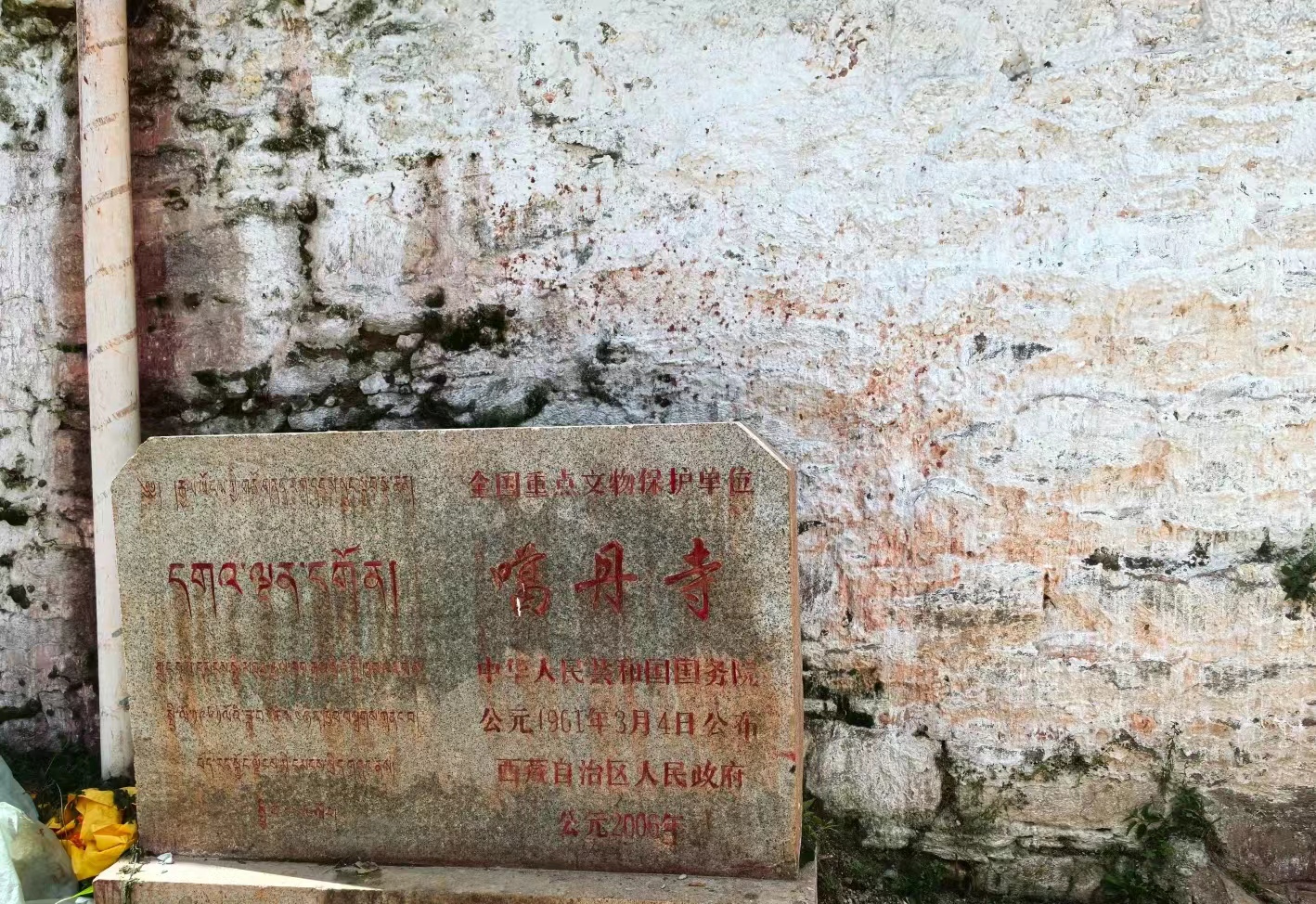 Ganden Monastery was founded by the great Tibetan reformer Tsongkhapa, the spiritual figure who reshaped Tibetan Buddhism in the 15th century. His teachings laid the foundations for the Gelug school, which later became the dominant tradition in Tibet.
After organizing a grand religious assembly at Jokhang Temple, Tsongkhapa and his disciples—supported by the ruling authorities of the time—chose Wangbur Mountain as the site for a new monastery. That decision gave birth to Ganden, the first and most important monastery of the Gelug lineage. Over centuries, Ganden evolved into a vast monastic complex, once home to nearly 4,000 monks. It became the senior monastery among the “Three Great Monasteries of Lhasa,” alongside Drepung and Sera.
Architecture in Harmony with the Mountain
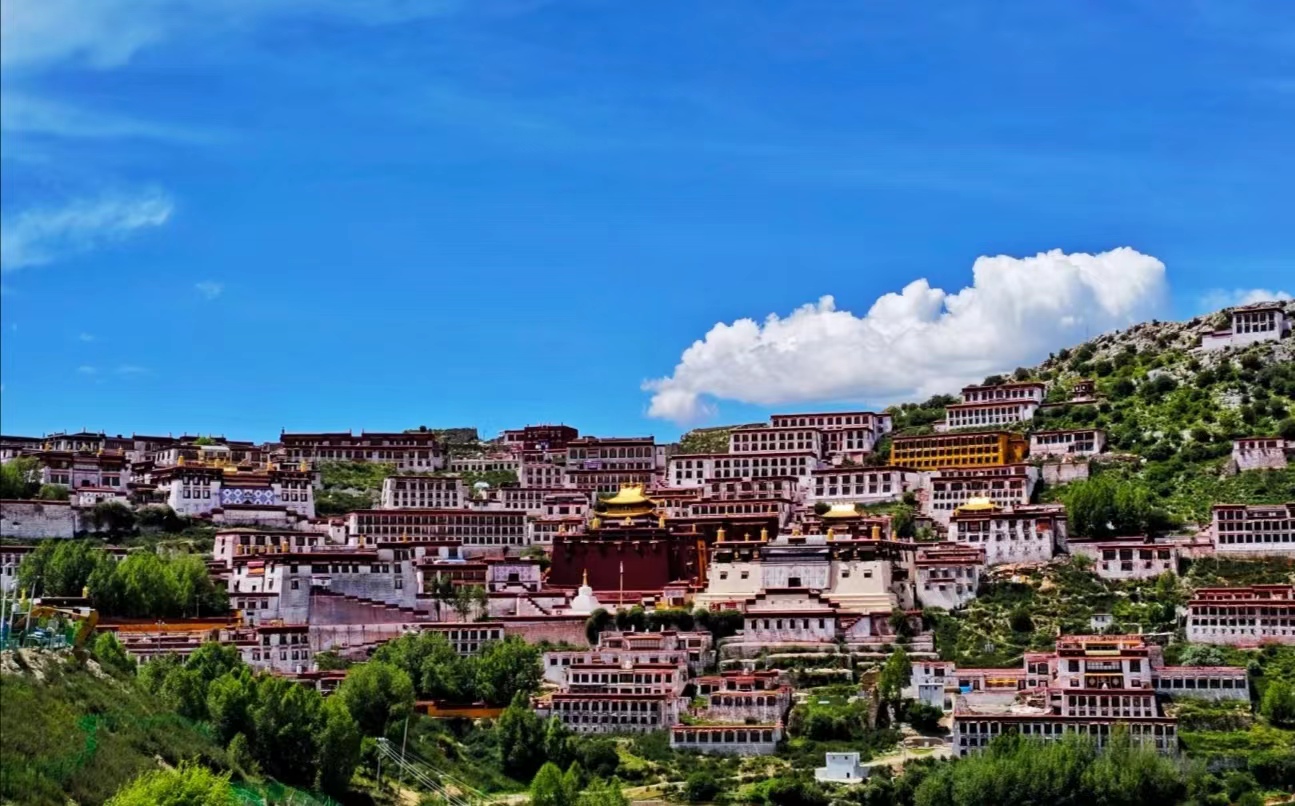
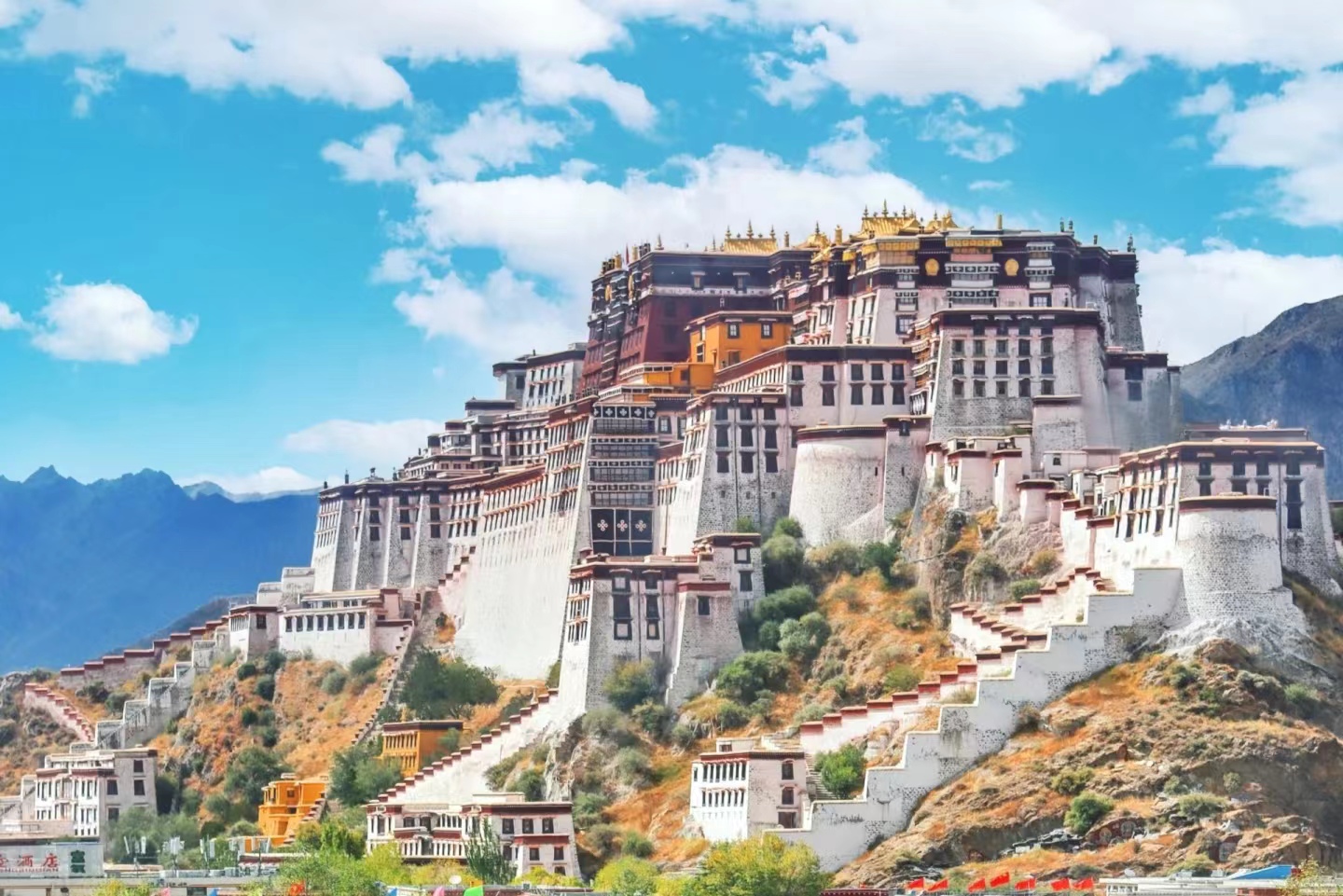 Unlike flatland temple complexes, Ganden Monastery is built directly into the slope of the mountain. Its structures cascade down the hillside in layers, blending temples, palaces, residential quarters, and monastic colleges into one continuous sacred landscape.
The design reflects a core principle of Tibetan architecture: adapting to nature rather than dominating it. Buildings follow the natural contours of the mountain, creating breathtaking panoramic views over the Lhasa Valley.
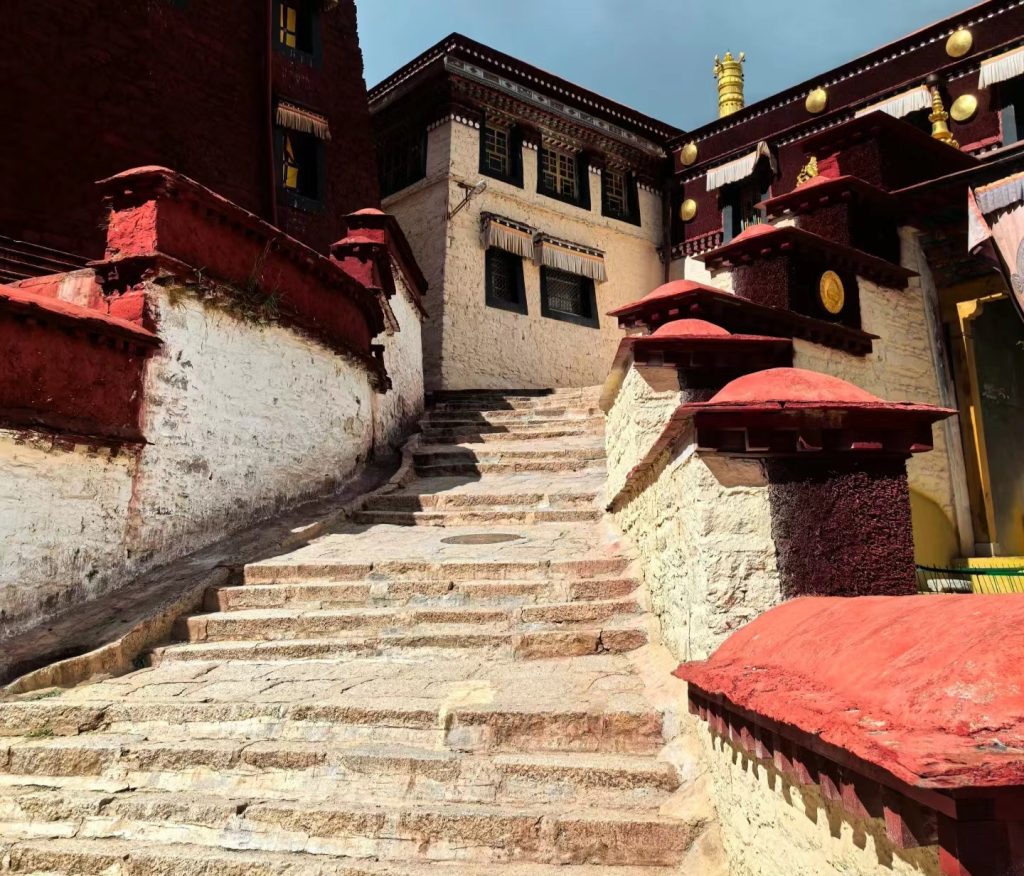 Coqen Hall (Tsokchen Hall)
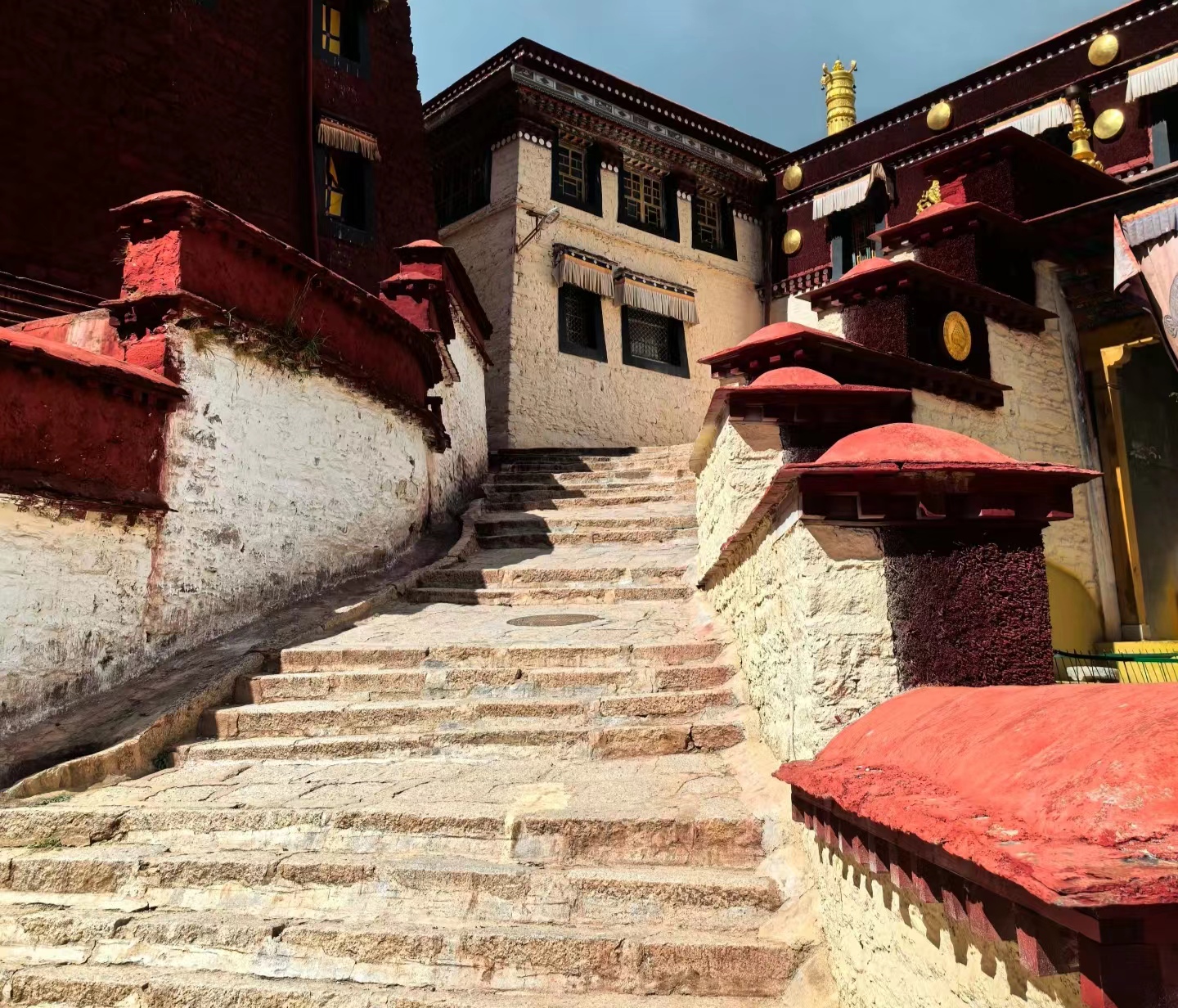
The largest and most important assembly hall in the monastery, this massive structure can accommodate thousands of monks during chanting ceremonies. Inside, you’ll find statues of Maitreya Buddha and Tsongkhapa, along with intricately carved altars and sacred thrones used by successive spiritual leaders.
Yangbachen Complex
A multi-level sacred structure that includes protector deity halls, meditation rooms, mandala chambers, and stupas (reliquary towers) dedicated to past abbots of the monastery. Its golden roof glows in the sunlight, making it one of the most visually striking buildings in the entire complex.
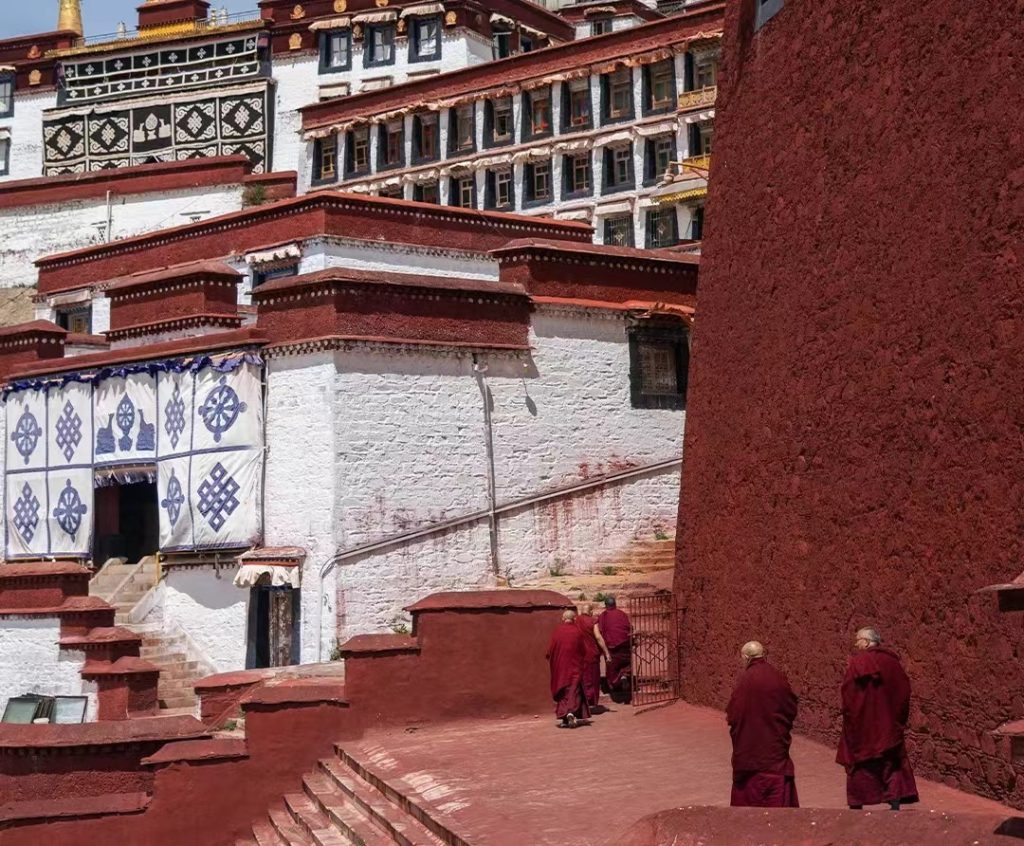 Stupa Halls and Sacred Relics
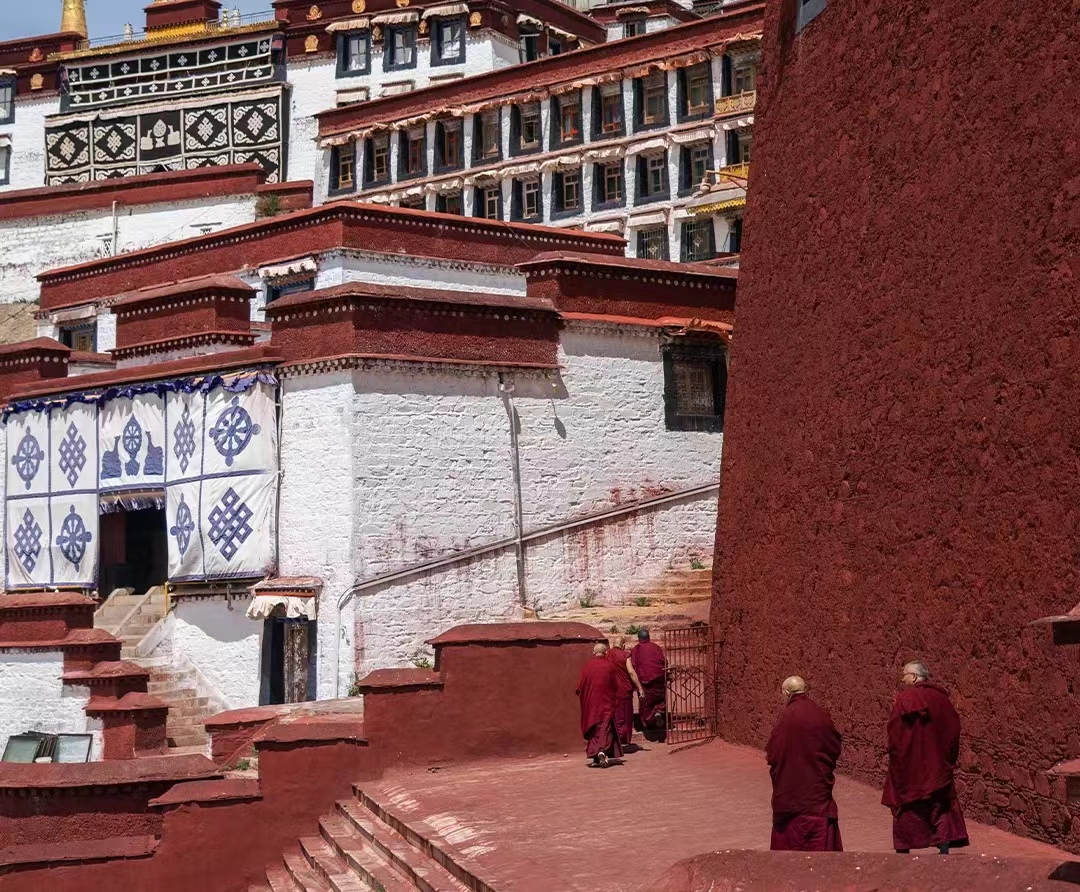
Ganden houses dozens of silver and gold stupas containing relics of past spiritual leaders. These spaces feel deeply contemplative, offering quiet corners for reflection away from the main courtyards.
Monastic Life and Living Buddhism
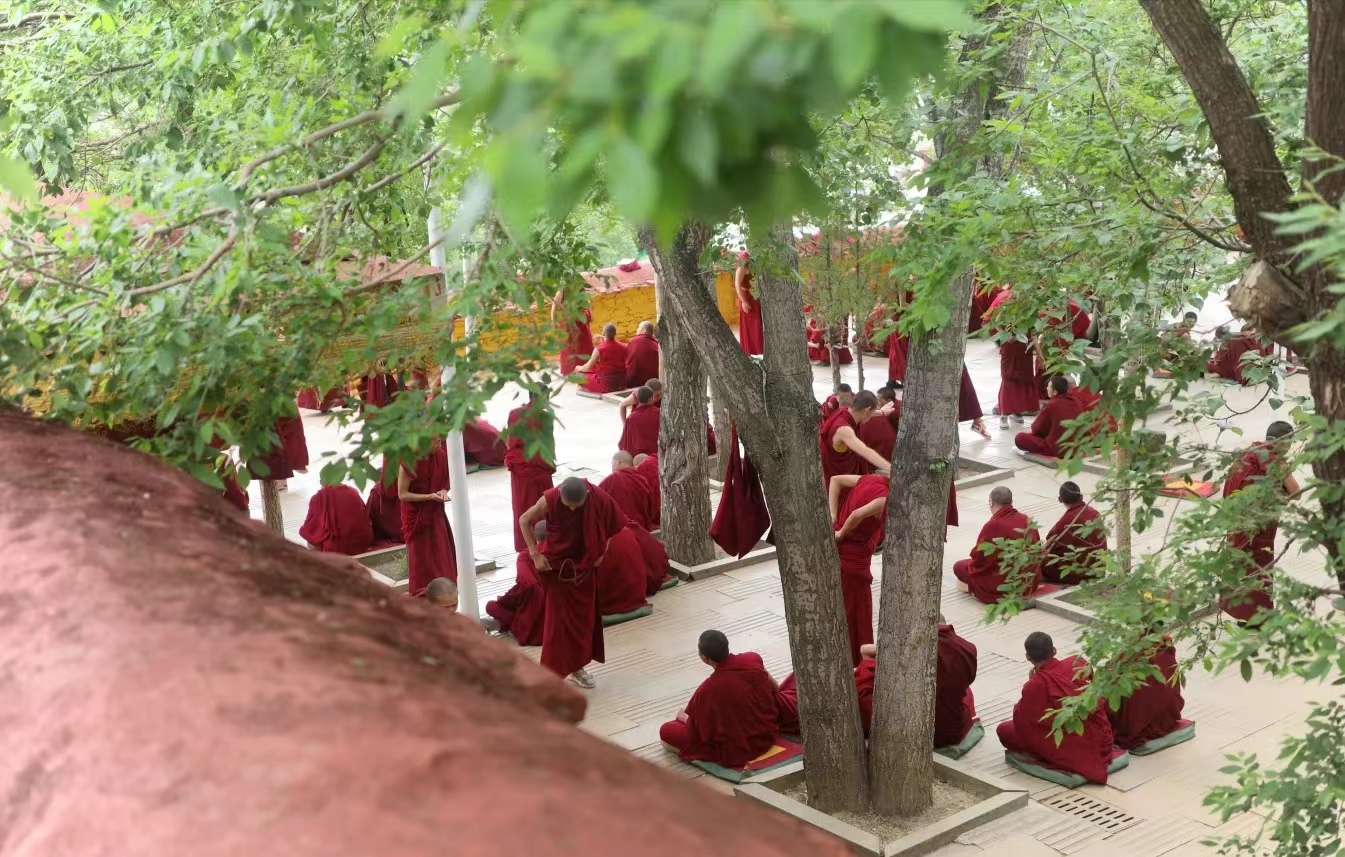 Ganden is not a museum—it’s a living monastery. Even today, monks study Buddhist philosophy, logic, and scripture through traditional debate sessions held in dedicated courtyards.
Visitors often describe these debates as one of the most fascinating cultural experiences in Tibet: intense, rhythmic, physical discussions where philosophy becomes performance. Watching these debates is one of the most authentic things to do in Tibet for cultural travelers.
Why Ganden Monastery Belongs on Your Tibet Itinerary
This is not a quick photo-stop destination. Ganden offers something deeper:
Spiritual atmosphere without mass tourism
Mountain landscapes with panoramic valley views
Authentic monastic culture
Historical depth dating back over 600 years
A peaceful alternative to busier sites in Lhasa
For travelers searching for “China Tibet Ganden Monastery travel guide” experiences that go beyond surface sightseeing, Ganden delivers a rare mix of scale, serenity, and spiritual power.
Practical Travel Tips
∙ How to Get There
You can travel from Lhasa city center, near Jokhang Square, by local transport or arranged vehicle.
Travel time: approximately 2 hours.
Day trips are common and easy to organize.
∙ Visiting Time
2–3 hours is ideal for exploring the main halls and walking the monastery paths.
Allow extra time if you want to sit quietly or observe monastic life.
∙ Best Time to Visit
Late spring to early autumn offers the best weather and visibility.
Mornings provide clearer mountain views and a calmer atmosphere.
Ganden Monastery isn’t just a destination—it’s an experience of Tibetan civilization in its purest form. From sacred halls and golden rooftops to silent mountain paths and philosophical debates, it offers a powerful encounter with living Tibetan Buddhism. For travelers building a meaningful Tibet journey, Ganden is not optional—it’s essential. If you’re crafting a deeper Tibet itinerary or content strategy focused on authentic cultural travel in China, Ganden Monastery deserves a central place in your narrative.